Arc Raiders Complete Item Database – Full Items and Stats Guide 2026
Arc Raiders is built around loot, progression and smart item management, so having an Arc Raiders complete item database style overview in mind is one of the best advantages a player can have. When you understand how every category of item works, how stats interact with your build and which pieces are worth keeping or recycling, you move from random looting to deliberate, efficient progression. This guide will walk through weapons, armor, consumables, resources and modifications in a clear, readable way, while naturally focusing on the main keyword arc raiders complete item database to help both players and search engines find what they need.
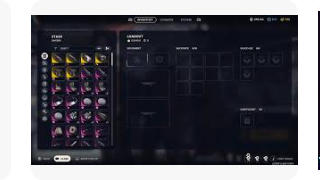
At its core, Arc Raiders offers a layered system where every drop matters but not every drop is equally valuable. Items have different rarities, different coin values and different weights, and they feed into crafting, upgrades and trading. Instead of treating the game’s loot as a messy pile, you can think of it as a structured database in your head: weapons and armor define your combat identity, consumables cover emergencies, resources fuel crafting, and mods refine your playstyle. Once you read this overview, you will be ready to evaluate new drops quickly and build your own mental Arc Raiders complete item database for long‑term play.
Understanding the Main Item Categories
To work like a personal Arc Raiders complete item database, you need a strong grasp of the main item categories and how they appear in missions and raids. First, there are weapons, which usually split into primary weapons, secondary sidearms and heavy weapons. Primary weapons define your standard combat loop, from assault rifles and marksman rifles to shotguns and precision weapons; secondary weapons give you backup firepower with faster swapping and lighter weight, and heavy weapons bring burst damage for bosses and large enemy groups.
Armor and protective gear form the second pillar of the Arc Raiders complete item database concept. Different armor pieces may trade raw defense for mobility, stamina bonuses, resistances to specific damage types or better regeneration and energy efficiency. Good players think in terms of complete sets and synergies rather than single pieces, because even small bonuses can add up during long expeditions. The third major group is utilities and gadgets: drones, deployables, detectors and support tools, which rarely deal huge damage but can tilt battles through vision, crowd control and healing.
Consumables in the Item Database
No Arc Raiders complete item database would be complete without a clear view of consumables, because they are the items you use most often during fights. Consumables usually include medkits or health items, stamina or energy boosters, grenades, mines and other quick‑use tactical tools. They are single‑use by nature, so the key is to understand when they provide the highest value instead of spamming them at every minor threat.
Effective players tend to categorize consumables by function: healing, defense, mobility, damage and control. Healing items keep you from losing a whole run to one bad engagement; defensive consumables like shields or temporary resist buffs help you survive boss attacks; mobility boosts let you reposition, flank or escape; damage consumables like offensive grenades or mines chain with your weapons to finish elite enemies quickly. Treating these entries as part of your personal Arc Raiders complete item database helps you decide which consumables to carry into each mission and which ones to recycle or sell.
Resources, Materials and Crafting Items
Resources and crafting materials are the backbone of the long‑term Arc Raiders complete item database experience. You see them everywhere: metal parts, electronic components, chemicals, nature items and special high‑end components tied to late‑game content. While each resource may look small or unimportant when you first pick it up, together they unlock new weapons, upgrades, modifications and utility items.
A practical way to think about them is by tier and purpose. Basic components feed generic crafting recipes and are easy to replace; mid‑tier components often appear in rare weapon and armor blueprints; high‑tier or event‑limited materials are the true bottlenecks that you should never waste on temporary gear. When you plan your crafting goals in advance, your mental Arc Raiders complete item database lets you quickly check which items are safe to sell and which must be hoarded for future projects. This reduces frustration, especially when new content introduces fresh recipes that require old resources.
Weapon Stats and How to Read Them
Weapon stats are one of the most important parts of any Arc Raiders complete item database, because they control how your build actually feels in combat. Typical stats include base damage, rate of fire, magazine size, reload time, accuracy or spread, effective range, recoil and sometimes elemental or special effects. Looking only at base damage can be misleading: a slow, heavy‑hitting rifle with long reload might underperform a slightly weaker but faster and more stable weapon in many situations.
To really benefit from the Arc Raiders complete item database approach, you should match weapon stats with your playstyle. If you like aggressive, close‑range fights, prioritize weapons with high damage per second, strong hip‑fire and fast reload. If you prefer mid‑range precision, focus on accuracy, recoil control and reliable range. Crowded raid scenarios often reward weapons with large magazines and quick reloads, while boss fights may favor higher burst damage or special effects like armor penetration or weak‑point multipliers. When you view every weapon as an entry in your personal database, you stop chasing hype and start choosing tools that truly fit your strategy.
Armor Stats, Resistances and Mobility
Armor stats matter just as much as weapons in an Arc Raiders complete item database. Defense values influence how much damage you can absorb before going down, but armor often carries additional stats like resistances, stamina improvements, sprint modifiers, stealth bonuses or shield capacity. Many players make the mistake of equating higher defense with better armor, but in reality, a slightly lower defense piece with superior mobility and regeneration may outperform a heavy tank build in dynamic fights.
When evaluating armor, it is helpful to group stats into survivability, mobility and utility. Survivability includes defense and resistances to common threats; mobility covers sprint speed, dodge efficiency and weight penalties; utility refers to bonuses that help your specific build, like improved ability cooldowns or better interactions with certain consumables. A well‑structured Arc Raiders complete item database in your mind means you can quickly compare new drops to your current set: does this new chest piece improve any category without destroying another that you rely on? That simple question keeps your gearing decisions clean and efficient.
Rarity Tiers and Value Decisions
Most players interacting with an Arc Raiders complete item database are really trying to understand two things: which items are rare and which ones are worth investing in. Rarity tiers usually range from common and uncommon items up to rare, epic and legendary pieces. Common and uncommon items are great for early progression and basic crafting, but they rarely justify heavy upgrade investment. Rare and epic items form the mid‑to‑late game backbone of many builds, while legendary items typically provide unique perks or powerful stat combinations.
However, rarity alone should not dictate your decisions. A legendary item that conflicts with your preferred playstyle may perform worse than a well‑rolled rare weapon or armor piece. Coin value, weight and crafting requirements should be part of your evaluation process as well. A disciplined approach is to mark some items as long‑term investments, some as temporary stepping stones and others as pure trade or recycle material. Treat your inventory like a living Arc Raiders complete item database instead of a storage pile, and you will always have room for better drops without constant inventory stress.
Blueprints, Upgrades and Long‑Term Progression
Blueprints and upgrade paths are another essential layer of the Arc Raiders complete item database concept. Blueprints generally unlock the ability to craft specific weapons, armor pieces or utility items, often requiring a mix of common and rare materials. Upgrades then let you push these items further, raising their stats or unlocking additional mod slots and perk tiers. This means a single blueprint can anchor your entire progression plan over many sessions.
To make the most of this system, prioritize blueprints that complement your core playstyle rather than collecting everything at random early on. Once you secure a strong primary weapon blueprint and a solid armor set blueprint, you can gradually refine and upgrade them using your best materials. Your Arc Raiders complete item database then becomes a planning tool: you know which materials to farm, which events to focus on and which side content can be safely skipped. Over time, this yields a stable, powerful gear foundation that feels intentionally built rather than purely luck‑based.
Integrating External Marketplaces and Trusted Services
While Arc Raiders does not officially sell items through outside platforms, many players interested in loot‑driven games also engage with other titles that rely on trading and gear optimization. In that broader ecosystem, it is important to rely on secure, reputable services when looking for time‑saving solutions. For example, if you are also playing Diablo 4 and want a trusted place to obtain in‑game gear quickly, you can visit Buy Diablo 4 Gears at https://www.mmomax.com/diablo-4-gears and browse professionally sourced items, fast delivery options and 24/7 support.
Using a serious platform like this for Diablo 4 demonstrates the same mindset you apply when building an Arc Raiders complete item database: efficiency, safety and informed decision‑making. Instead of wasting hours on unreliable services, you focus on vetted providers that value customer satisfaction and secure transactions. As you move between games, maintaining that disciplined approach to both in‑game and out‑of‑game systems keeps your overall gaming experience smooth and rewarding.
Practical Tips for Using Your Personal Item Database
Turning all of this information into everyday practice is what gives the phrase arc raiders complete item database real meaning for you as a player. Make it a habit to categorize items mentally as soon as you pick them up: is this a core build piece, a situational tool, a crafting material or trading fodder? If an item does not clearly fit into your long‑term plan, consider recycling or selling it instead of letting it clog your inventory.
You can also keep simple notes outside the game listing your favorite weapons, armor sets, consumables and key materials. Over time, you will build a personalized version of an Arc Raiders complete item database tailored to your preferences rather than a generic list. That way, when new updates, events or balance patches arrive, you can quickly adapt your build while staying grounded in a clear understanding of your items. With this structured approach, every raid becomes more focused, every loot drop easier to evaluate and every upgrade more meaningful.
